 Skip to content

primeinstantcasinos ≡ Promos Casino Sign In Support Real Money Casino AusUncover essential details about real…
Navigating Constraints in KMS Office Software Solutions
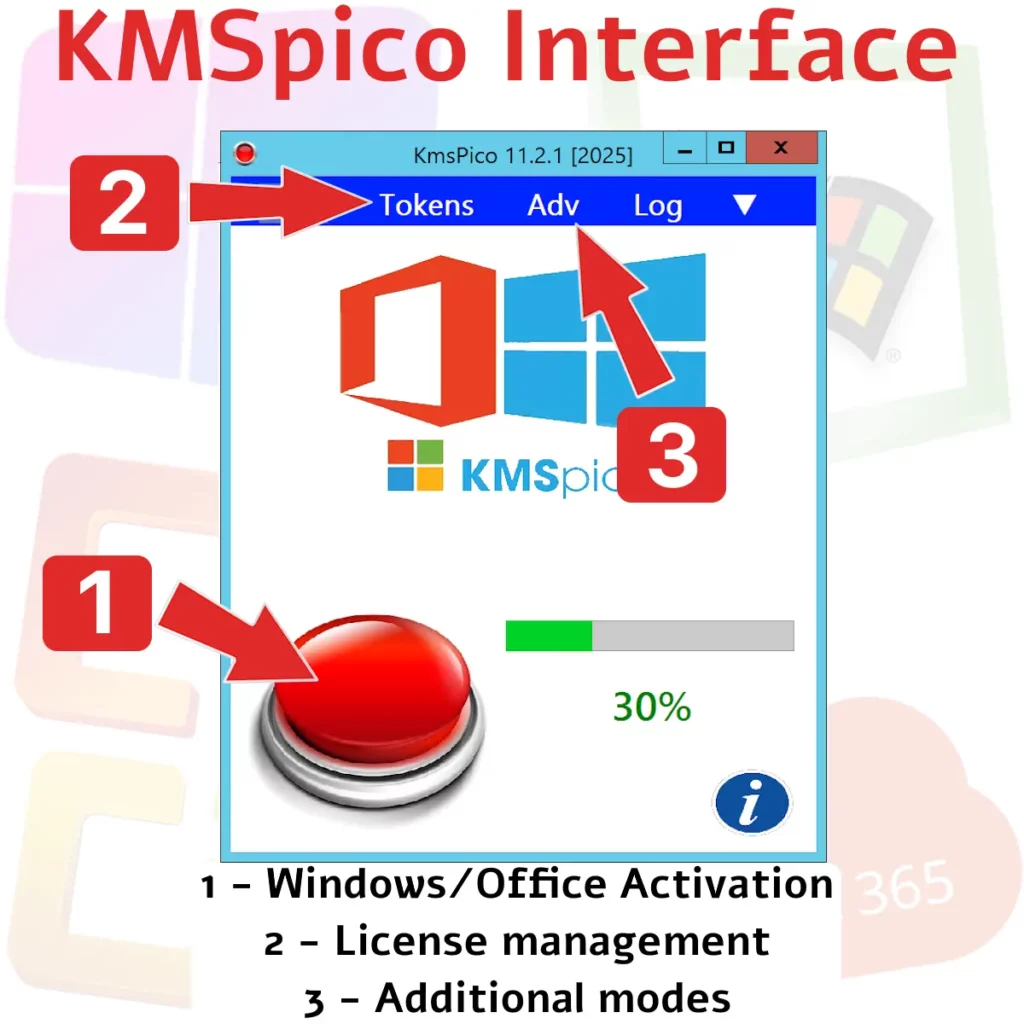
In the ever-evolving landscape of enterprise software solutions, navigating the constraints and capabilities of KMS office software is crucial for any organization seeking to maintain efficiency and compliance. As companies grow, so do their demands for reliable and cost-effective productivity tools. Understanding the complexities of kms office can significantly enhance your approach to software deployment and management.
Understanding KMS Office: An Overview
KMS office is an integral part of many organizations’ software strategies. It serves as a key tool for license activation, ensuring that all office software within an enterprise remains compliant with licensing agreements. Various forms like windows 10 activator and windows 11 activator are often used to manage licenses efficiently across different operating systems.
The Role of License Activation in KMS Office
License activation is a core component of kms office solutions. By automating this process through tools like ms office activator, enterprises can streamline their workflow and reduce the manual labor associated with software maintenance. This not only ensures compliance but also enhances productivity by minimizing downtime due to licensing issues. Ensuring that all organizational software is correctly activated helps prevent unauthorized use and potential legal challenges.
Office Software Suite Capabilities
An effective office software suite does more than provide basic word processing or spreadsheet capabilities. It is designed to meet the complex needs of modern businesses, offering advanced document management features that facilitate collaboration and information sharing across departments. A robust suite supports integrated communication tools, project management applications, and data analysis platforms.
Document Management Efficiency in KMS Office
Document management is a critical feature within kms office environments. Well-implemented document management systems can help reduce errors, improve version control, and ensure that all users have access to up-to-date information. This increases overall efficiency and effectiveness in meeting organizational goals. Sharing documents seamlessly between teams enhances cooperation and drives innovation by allowing easy access to shared knowledge resources.
Key Features of KMS Office Software Solutions
- Automated license activation using tools such as kmspico descargar.
- Advanced productivity tools integration within existing workflows.
- Comprehensive document management capabilities for better data handling.
- Seamless integration with cloud services for enhanced data accessibility.
- Robust security features to protect sensitive information.
Navigating Constraints in KMS Office Implementation
Despite its benefits, implementing kms office solutions comes with certain constraints that need careful consideration. One such constraint is the requirement for sufficient system resources, such as ensuring each virtual machine has at least 2 vCPUs and 4 GB RAM available for operations. Additionally, network bandwidth must be adequate to support multiple simultaneous activations without degradation in service quality.
System Resource Management in KMS Office
Deploying kms office requires meticulous planning around resource allocation. With each installation demanding specific system requirements, IT departments must ensure that hardware resources are optimized to prevent bottlenecks or performance issues. This entails configuring virtual environments appropriately to handle peak loads efficiently. Proper forecasting of resource needs based on user demand patterns aids in making informed decisions about infrastructure investments.
The Importance of Snapshot Timing in Virtual Environments
A critical technical aspect when dealing with kms office deployments is snapshot timing in virtualized environments. Performing snapshots at optimal intervals can greatly aid in recovery processes, reducing the potential loss during unexpected failures or updates. Regularly scheduled snapshots ensure minimal disruption during maintenance activities or unforeseen incidents, thereby maintaining business continuity.
Choosing the Right Tools for KMS Office Activation
Selecting the appropriate tools for kms office activation can significantly impact the ease of deployment and ongoing management. Tools like KMSpico portable offer flexibility by enabling activations without permanent installations on devices, which is useful in dynamic IT environments where machines are frequently re-imaged or replaced. The choice of tool should align with organizational policies on security and compliance.
Ensuring Compliance with KMS Solutions
Compliance remains a pivotal concern when utilizing kms-based solutions. Regular audits and updates are necessary to guarantee that all deployed instances remain within legal software usage boundaries set by vendors such as Microsoft. This mitigates risks associated with non-compliance penalties while maintaining operational integrity. An effective compliance strategy involves regular training for IT staff on the latest licensing policies and practices.
The Role of DISM in Deployment Strategies
The Deployment Image Servicing and Management (DISM) tool plays an essential role in managing windows images requisite for kms office deployments. Its ability to update files, add drivers, and optimize images simplifies the deployment process across large networks. Utilizing DISM efficiently ensures that systems are consistently updated with minimal manual intervention required from IT personnel.
The Future of KMS Office Solutions
As technology evolves, so too will kms office solutions adapt to meet new challenges and opportunities presented by digital transformation trends. Keeping abreast of these changes ensures that organizations will continue to leverage technological advancements effectively while staying agile amid shifting market demands.
Adapting to Emerging Trends in KMS Office
The future will see enhanced integration capabilities between different productivity tools within the kms ecosystem. Leveraging artificial intelligence, cloud computing advancements, and real-time data analytics will transform how businesses utilize their office software suites. Organizations that embrace these technologies will likely see improved decision-making processes driven by comprehensive data insights.
KMS office continues to play a pivotal role in driving enterprise success through efficient software management practices. By understanding its constraints and leveraging its advantages fully, organizations can navigate complex IT landscapes with confidence. Emphasizing continuous learning and adaptation will be key as businesses strive for operational excellence amidst rapid technological advancements.
The journey towards optimizing kms office implementation involves not only understanding its current capabilities but also being prepared for future developments that will shape its evolution over time. Companies must invest in training programs that keep their teams updated on emerging trends within the realm of digital transformation, ensuring they remain competitive within their respective industries.
Additionally, fostering a culture that values innovation will empower employees to explore new ways of utilizing existing technologies more effectively.
This proactive approach positions organizations well ahead of their competitors who may be slower
to adapt
to changing technological landscapes.
Ultimately,
the successful integration
of kms office solutions hinges upon strategic foresight,
collaborative efforts,
and an unwavering commitment
to leveraging technology
for sustainable growth.

Comments (0)